
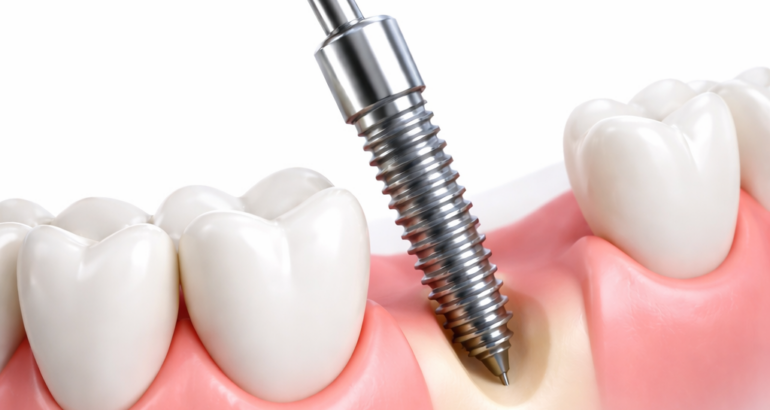
German dental implant Konyaaltı
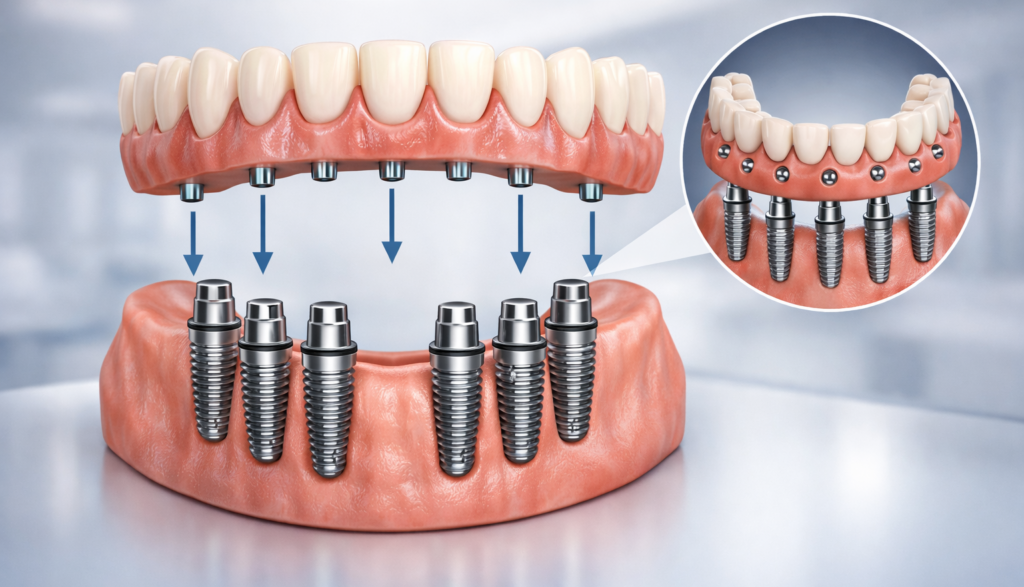
German dental implant Konyaaltı is a focused search term for patients who are looking for high-quality implant systems, long-term chewing comfort, reliable missing tooth replacement and carefully planned implant dentistry in Antalya. Dr. Yaşar Özdemir plans German dental implant treatment in Konyaaltı by evaluating jawbone volume, gum health, missing tooth location, bite balance, aesthetic expectations, oral hygiene habits and the final implant-supported crown or prosthesis together. The purpose is not only to use a well-known implant brand, but to create a stable, natural-looking and functional result that fits the patient’s mouth.
German implant systems are often associated with engineering precision, material quality, implant surface technology and long-term clinical reliability. For many patients, the country of origin creates confidence. However, a successful implant treatment cannot be based only on the implant brand. The implant must be placed in the right position, supported by enough bone, surrounded by healthy gum tissue and restored with a well-designed crown, bridge or prosthesis.
Dr. Yaşar Özdemir approaches implant treatment with diagnosis-based planning. A German implant can be a strong option in suitable cases, but it must be selected according to the patient’s anatomy and treatment goals. A single missing front tooth, multiple missing molars, full tooth loss, bone deficiency and old denture discomfort all require different planning.
German dental implant Konyaaltı: Who is it suitable for?
German dental implant Konyaaltı may be suitable for patients who have one or more missing teeth and want a fixed, stable and well-planned replacement option. Patients who do not want removable dentures, who are uncomfortable with missing teeth while chewing, or who want to protect neighboring teeth from being cut for a traditional bridge may consider implant treatment.
A German dental implant can be used in single tooth loss, multiple missing tooth cases or implant-supported prosthetic plans, depending on bone structure and clinical needs. However, suitability is not decided only by the missing tooth gap. The jawbone must be evaluated in terms of height, width and density. The gums must be healthy. The patient’s bite and oral hygiene habits must also be considered.
Some patients are ready for implant placement after examination. Others may need preparation before treatment. This may include gum treatment, removal of infected teeth, bone grafting, sinus lift or management of teeth grinding. If a tooth has been missing for many years, bone loss may be more advanced, and the implant area may need additional support.
Dr. Yaşar Özdemir explains whether a German implant system is suitable after a detailed consultation. The patient learns what can be done directly, what requires preparation and how the final tooth will be planned.
German dental implant Konyaaltı and detailed diagnosis
German dental implant Konyaaltı treatment should begin with proper diagnosis. Even the highest-quality implant system cannot compensate for poor planning. The implant position, surrounding bone, gum thickness, neighboring teeth, sinus position, nerve pathways and future prosthetic design must be considered together.
During examination, the missing tooth area is checked clinically. The dentist evaluates how long the tooth has been missing, whether neighboring teeth have shifted, whether the opposing tooth has moved into the space and whether the gum tissue is healthy. These details affect the final treatment plan.
Radiographic evaluation is also important. Panoramic X-rays or three-dimensional imaging may be used when needed. In the upper back jaw, the maxillary sinus must be considered. In the lower jaw, the nerve canal must be protected. The available bone determines implant length, diameter and placement direction.
Dr. Yaşar Özdemir does not plan implant treatment only as a surgical step. Diagnosis includes the final crown or bridge from the beginning. This helps create a result that is not only stable in bone, but also comfortable, aesthetic and cleanable.
German dental implant Konyaaltı for single tooth replacement
German dental implant Konyaaltı is often considered for single tooth replacement. When one tooth is missing, the empty space can affect both appearance and function. Neighboring teeth may slowly tilt into the gap, the opposing tooth may move, and chewing forces may become unbalanced.
A single implant can support one crown without preparing the adjacent healthy teeth. This can be a major benefit compared with a traditional bridge when the neighboring teeth are healthy. The implant acts as an artificial root, and the final crown is designed to match the surrounding teeth.
In front tooth cases, aesthetics are very important. The gum line, tooth shade, emergence profile and crown shape must be carefully planned. In back tooth cases, chewing force becomes more important. The crown should not be too high or overloaded during biting.
Dr. Yaşar Özdemir plans single German implant cases by considering both the surgical position and the final crown. The goal is to restore the missing tooth in a way that feels functional and looks natural.
German dental implant Konyaaltı for multiple missing teeth
German dental implant Konyaaltı can also be used in multiple missing tooth cases. If several teeth are missing, it is not always necessary to place one implant for every missing tooth. Depending on the case, a certain number of implants may support an implant bridge.
Multiple tooth loss requires more detailed planning than a single missing tooth. The location of the missing teeth, strength of the bone, bite forces and prosthetic design all affect the treatment. In the back region, chewing forces are stronger, so implant distribution must be carefully calculated.
If the missing teeth have been absent for a long time, the bone may have shrunk and neighboring teeth may have moved. Sometimes the available space is not ideal for implant-supported teeth. In such cases, the treatment may need to include additional preparation or a different prosthetic design.
Dr. Yaşar Özdemir evaluates multiple implant cases with a functional perspective. The aim is to create a stable, cleanable and comfortable implant-supported restoration, not simply to fill empty spaces.
What makes German implant systems different?
German implant systems are often preferred by patients who value quality, technical precision and reliable manufacturing standards. These systems may offer advanced surface technologies, strong prosthetic connections and a broad range of components for different clinical needs.
However, the success of implant treatment depends on more than the implant itself. Implant material, surface design and brand reliability are important, but they must be supported by correct surgical placement, healthy bone, proper gum management and a well-designed crown or prosthesis. A quality implant placed in the wrong position can still create problems.
Another important factor is prosthetic compatibility. Implant systems should have reliable components for crowns, bridges and full-arch prosthetics. The connection between the implant and the abutment affects long-term stability and maintenance.
Dr. Yaşar Özdemir selects implant systems according to the patient’s clinical situation. The treatment is not planned around a brand name alone, but around long-term function, hygiene and aesthetics.
German implant vs standard implant
Patients often ask whether a German implant is better than a standard implant. The answer depends on what is meant by “standard.” Implant quality varies greatly between systems. Important factors include titanium quality, surface technology, implant-abutment connection, prosthetic component availability and clinical reliability.
German implant systems may offer strong engineering and trusted design features, but the treatment result still depends on the dentist’s planning and the patient’s oral condition. A good implant system must be used in the correct anatomical position and restored properly.
The choice of implant should consider bone density, gum tissue, missing tooth location, bite force and final prosthetic needs. For example, an implant in the front region may require different aesthetic planning than an implant in the molar region. A patient with teeth grinding may need additional protection regardless of implant brand.
Dr. Yaşar Özdemir explains implant options clearly. Patients understand why a certain implant system is preferred and how it supports the overall treatment plan.
How is German dental implant treatment performed?
German dental implant treatment begins with consultation, diagnosis and treatment planning. Once the patient is found suitable, the implant is placed into the jawbone under local anesthesia. The implant functions as an artificial tooth root and is allowed to integrate with the bone during the healing period.
The healing period varies depending on bone quality, implant location, number of implants and whether additional procedures are needed. A simple single implant case may progress differently from a case requiring bone grafting or sinus lift. Patients should understand that implant treatment is a biological process and should not be rushed unnecessarily.
After the implant integrates with the bone, the prosthetic phase begins. An abutment and crown, bridge or prosthesis are planned according to the case. The final restoration must have the correct color, shape, bite contact and cleaning access.
Dr. Yaşar Özdemir plans both the surgical and prosthetic stages together. This helps the implant-supported tooth function naturally and remain easier to maintain.
Bone grafting before German implant treatment
Bone grafting may be needed when there is not enough bone to support an implant properly. Bone loss can occur after tooth extraction, long-term missing teeth, gum disease, infection or trauma. If the bone is too thin or too low, the implant may not have enough support.
Bone grafting is not required for every implant patient. It is only considered when the existing bone is insufficient. The type and timing of grafting depend on the size of the defect and the treatment plan. In some cases, bone grafting and implant placement can be done at the same time. In other cases, healing time is needed before implant placement.
A German implant system does not remove the need for good bone support. Even a high-quality implant must be placed in a stable biological foundation. Bone and gum health are essential for long-term success.
Dr. Yaşar Özdemir evaluates bone volume before implant treatment. If grafting is needed, the reason and process are explained clearly to the patient.
Sinus lift and German implants in the upper jaw
A sinus lift may be required when implants are planned in the upper back jaw and the bone height is limited by the maxillary sinus. After upper molars are lost, the bone in that region may shrink, and the sinus floor may be closer to the implant area.
Sinus lift treatment aims to create additional bone support by lifting the sinus membrane and placing bone graft material. This can allow implant placement in a region that otherwise may not have enough bone height. The procedure is planned only when necessary.
Sometimes the implant can be placed during the same session as the sinus lift. In other cases, the grafted area must heal first. The decision depends on the remaining bone and the stability expected during implant placement.
Dr. Yaşar Özdemir evaluates the sinus area carefully before upper jaw implant treatment. Patients are informed about whether sinus lift is needed and how it affects the treatment timeline.
German implants and gum health
Gum health is essential for implant success. Implants do not decay like natural teeth, but the tissues around implants can become inflamed if plaque is not controlled. This can lead to implant-related gum and bone problems over time.
Before implant treatment, active gum disease should be treated. Bleeding gums, tartar, periodontal pockets and poor oral hygiene can increase risk. A clean and healthy mouth provides a better foundation for implant treatment.
Gum thickness and shape are also important for aesthetics. In front tooth implants, the gum line and soft tissue support affect how natural the implant crown looks. If the gum is thin or deficient, additional soft tissue planning may be needed.
Dr. Yaşar Özdemir evaluates gum health before placing implants. The goal is to create a treatment foundation that supports both appearance and long-term stability.
German implants in aesthetic smile planning
German implants can be part of aesthetic smile planning when missing teeth are visible in the smile line. In the front region, the implant-supported crown must match the neighboring teeth in color, shape, length and gum profile. The implant position must be planned carefully from the beginning.
If the implant is placed at an incorrect angle or depth, creating a natural-looking crown may become difficult. This is why the prosthetic result should be planned before surgery. The final tooth guides the implant position.
Sometimes the neighboring teeth also need aesthetic treatment. Whitening, bonding, zirconium crowns, E-max veneers or orthodontic treatment may be considered depending on the case. The implant should not look separate from the rest of the smile.
Dr. Yaşar Özdemir evaluates implant treatment within the full smile. The goal is to replace the missing tooth while preserving natural facial harmony.
German implants and teeth grinding
Teeth grinding and clenching must be considered before implant treatment. Bruxism can place excessive force on implant-supported crowns and bridges. This may increase the risk of porcelain chipping, screw loosening, prosthetic damage or discomfort.
Signs of bruxism include morning jaw fatigue, headaches, worn teeth, broken fillings, tooth sensitivity and tight jaw muscles. Patients who have these symptoms should mention them before implant treatment begins. The bite and muscle activity must be evaluated.
A German implant system may be strong, but the prosthetic restoration still needs protection from excessive force. In some cases, a night guard may be recommended after implant treatment. The crown design and bite contacts should also be adjusted carefully.
Dr. Yaşar Özdemir considers bruxism when planning implants. The aim is to protect the implant-supported teeth and support long-term function.
German implant-supported crowns
The implant-supported crown is the visible part of the treatment. It must be carefully designed to match the patient’s natural teeth and bite. A well-integrated implant still needs a properly shaped crown to work correctly in the mouth.
In front teeth, the implant crown must support the gum and blend with the smile. Color, translucency, surface texture and emergence profile are important. In back teeth, chewing strength and bite contact become more important. The crown should be durable, comfortable and easy to clean.
The connection between the implant and crown may be screw-retained or cement-retained depending on the case. Each option has different technical considerations. The choice depends on implant position, aesthetics and maintenance needs.
Dr. Yaşar Özdemir plans implant-supported crowns as part of the overall treatment. The crown should not only look like a tooth, but also function like one.
German implants for full-mouth rehabilitation
Full-mouth implant treatment may be considered for patients who have lost all teeth or who have teeth that cannot be maintained. German implant systems can be used in implant-supported fixed or removable prosthetic plans depending on bone structure and patient expectations.
Full-mouth rehabilitation requires careful planning. The number of implants, their position, the type of prosthesis, cleaning access, facial support, speech and chewing function must all be considered. A fixed solution is not automatically the best option for everyone; some patients may benefit from implant-supported removable prostheses.
Patients who have worn dentures for many years may have bone loss. This can affect implant placement and prosthetic design. Additional procedures may be needed in some cases.
Dr. Yaşar Özdemir evaluates full-mouth implant treatment according to function, hygiene and patient comfort. The goal is to create a practical and maintainable result.
Healing after German implant placement
After implant placement, the implant must heal and integrate with the bone. This period is important for long-term stability. The healing time depends on the bone quality, implant area, number of implants, additional procedures and patient health.
During healing, patients should follow the dentist’s instructions. Soft foods, good oral hygiene, avoiding smoking and attending follow-up visits are important. If swelling, pain or bleeding increases instead of decreasing, the clinic should be contacted.
Temporary teeth may be used in some cases, but they must be planned carefully. If a temporary restoration overloads the implant too early, healing may be affected. For this reason, the temporary stage must be controlled.
Dr. Yaşar Özdemir explains the healing process before surgery. Patients understand what to expect and how to protect the implant area.
Maintenance after German dental implant treatment
Maintenance is essential after implant treatment. Implants need regular care even though they do not decay. Plaque accumulation around implants can irritate the gums and affect the supporting tissues. Good hygiene is necessary for long-term success.
Patients should brush carefully and clean around implant crowns, bridges or prostheses. Interdental brushes, special floss or water flossers may be recommended depending on the design. Implant-supported bridges require special attention under the prosthetic areas.
Regular check-ups allow the dentist to evaluate gum health, bite contacts, crown condition, prosthetic screws and cleaning quality. Patients with teeth grinding may need closer follow-up.
Dr. Yaşar Özdemir gives each patient clear maintenance instructions. Long-term implant success depends on both good treatment and responsible daily care.
German dental implant cost in Konyaaltı
German dental implant cost in Konyaaltı depends on the number of implants, implant system, bone condition, need for bone grafting, sinus lift, temporary teeth, final crown material and complexity of the prosthetic design. A single implant and a full-arch implant-supported restoration are not priced the same.
It is not accurate to evaluate implant treatment only by the implant fixture. Diagnosis, imaging, surgical planning, implant components, abutments, final crown or bridge, laboratory work and follow-up are all part of the treatment value.
If bone grafting or sinus lift is required, the total treatment becomes more comprehensive. If the final crown is zirconium or part of a larger bridge, the prosthetic phase also affects cost. For this reason, accurate pricing can only be given after examination.
Dr. Yaşar Özdemir explains the treatment scope before beginning. Patients understand which steps are needed and why they are included in the plan.
What should patients consider before choosing a German dental implant?
Patients considering a German dental implant should focus on the entire treatment plan, not only the implant brand. A successful implant treatment requires diagnosis, sterile surgical conditions, correct positioning, healthy gum tissue, proper prosthetic design and regular maintenance.
Important questions include: Is my bone suitable? Do I need a graft or sinus lift? Why is this implant system recommended? What type of crown will be placed? How long will healing take? How will I clean the implant? Do I grind my teeth? Will I need a night guard?
A strong implant system can support excellent treatment, but the result depends on how it is planned and maintained. The final tooth must be comfortable, natural-looking and easy to clean.
Dr. Yaşar Özdemir helps patients understand the full process. The treatment is planned according to oral health, function and long-term stability.
Dr. Yaşar Özdemir for German dental implant planning in Konyaaltı
Dr. Yaşar Özdemir plans German dental implant treatment according to the patient’s missing tooth condition, jawbone volume, gum health, bite relationship, aesthetic expectations and daily function needs. Single missing teeth, multiple missing teeth, old denture problems, front tooth loss and full-mouth cases all require different strategies.
The treatment is not based only on placing an implant. The final crown or prosthesis, cleaning access, gum profile, chewing balance and maintenance plan are considered from the beginning. If necessary, gum treatment, bone grafting, sinus lift, bruxism control or smile design may be included.
For patients searching for German dental implant treatment in Konyaaltı, the first step is a detailed consultation. This allows the missing tooth area, bone condition, implant suitability, treatment timeline and final restoration options to be evaluated clearly.
Dr. Yaşar Özdemir offers implant planning with attention to quality systems, natural aesthetics, chewing comfort and long-term oral health.
Contact
You can contact Dr. Yaşar Özdemir for German dental implant consultation, missing tooth replacement, implant-supported crowns, bone structure evaluation, sinus lift planning, full-mouth implant options or aesthetic implant treatment in Konyaaltı.
Address: Öğretmenevleri Mah. 922 Sokak No:1 Kat:1-13 Konyaaltı / ANTALYA
English Line: +90 539 301 62 51
Russian Line: +90 533 596 11 23
Contact Line: +90 507 908 63 57
E-mail: info@dryasarozdemir.com
If you want to replace missing teeth with a carefully planned, high-quality implant solution in Konyaaltı, you can take the first step today with a personalized consultation by Dr. Yaşar Özdemir.