
Laminate veneers Konyaaltı

Laminate veneers Konyaaltı is a focused search term for patients who want to improve the visible front surface of their teeth with a natural, elegant and minimally planned aesthetic dental treatment in Antalya. Dr. Yaşar Özdemir plans laminate veneer treatment in Konyaaltı by evaluating tooth color, enamel structure, smile line, gum health, facial proportions, lip movement, bite relationship and the patient’s expectations together. The aim is not simply to create whiter teeth, but to design a smile that looks refined, natural and compatible with the person’s face.
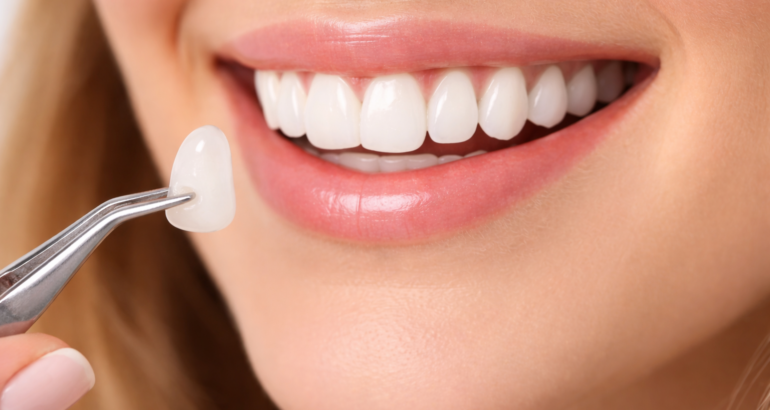
Laminate veneers are thin porcelain restorations that are usually bonded to the front surface of the teeth. They may be considered for patients with discoloration, small gaps, minor shape irregularities, worn edges, old composite restorations, surface defects or a desire for a more harmonious smile. However, laminate veneers are not suitable for every tooth or every patient. Before treatment, the condition of the enamel, gum line, bite forces, teeth grinding habits and alignment of the teeth must be assessed carefully.
Dr. Yaşar Özdemir approaches laminate veneers as a personalized smile design process. A successful veneer should not look like a separate artificial layer on the tooth. It should blend with the natural teeth, support the gum line, feel comfortable during speech and chewing, and protect as much healthy tooth structure as possible.
Laminate veneers Konyaaltı: Who is suitable for this treatment?
Laminate veneers Konyaaltı may be suitable for patients who are unhappy with the appearance of their front teeth but still have relatively healthy tooth structure. They can be considered for teeth with permanent discoloration, mild shape differences, small spaces, minor edge fractures, uneven tooth length or old visible fillings that no longer match the surrounding teeth.
Suitability depends on more than appearance. The teeth should have enough healthy enamel for bonding. The gums should be healthy and free from active inflammation. The bite should allow veneers to function without excessive stress. If the patient clenches or grinds their teeth heavily, the risk of veneer fracture or debonding must be evaluated before treatment.
Laminate veneers are usually used in the visible smile area. They are not always the best option for teeth with severe decay, large fillings, major structural loss or advanced misalignment. In such cases, zirconium crowns, E-Max crowns, orthodontic treatment, composite bonding or other restorative options may be more appropriate.
Dr. Yaşar Özdemir first determines whether laminate veneers are truly suitable. If a more conservative or stronger option is better for the patient, this is explained clearly before treatment begins.
Laminate veneers Konyaaltı and the importance of smile analysis
Laminate veneers Konyaaltı should begin with detailed smile analysis. Veneers may look simple from the outside, but the design requires careful planning. Tooth length, width, shade, gum level, lip movement, facial shape and natural smile character all affect the final result.
A smile that looks beautiful on one person may not suit another. Some patients need a soft and natural enhancement, while others prefer a brighter and more noticeable smile. The right design depends on the patient’s age, face shape, skin tone, lip line and personal expectations. This is why one standard veneer shape should not be used for everyone.
During smile analysis, the dentist also evaluates whether the teeth are aligned properly. If the teeth are severely crowded or rotated, veneers alone may require unnecessary tooth reduction. In such cases, orthodontic treatment or Invisalign may be recommended before veneer treatment to create a healthier foundation.
Dr. Yaşar Özdemir plans laminate veneers according to the patient’s natural facial harmony. The goal is not to erase the character of the smile, but to make it cleaner, more balanced and more confident.
Laminate veneers Konyaaltı for stained or discolored teeth
Laminate veneers Konyaaltı are often considered when tooth discoloration cannot be corrected sufficiently with whitening alone. Some stains are located deep inside the tooth structure and do not respond well to bleaching. Trauma, developmental enamel defects, old restorations or certain types of internal discoloration may create uneven tooth color.
Before deciding on veneers, tooth whitening may still be evaluated. If the natural teeth can be improved with professional whitening, a less invasive approach may be enough. However, when whitening cannot provide the desired harmony or when the discoloration is localized to specific teeth, laminate veneers may offer a more controlled aesthetic solution.
Color planning is especially important. Veneers cannot be whitened after placement, so the final shade must be selected carefully. If whitening is planned for the surrounding natural teeth, it is usually performed before veneer shade selection. This helps the veneers blend better with the rest of the smile.
Dr. Yaşar Özdemir evaluates the cause of discoloration before recommending laminate veneers. The treatment plan is built around realistic expectations and natural color harmony.
Laminate veneers for small gaps between teeth
Small gaps between front teeth can affect the balance of the smile. Laminate veneers may be used to close selected gaps when the teeth are otherwise healthy and the space can be corrected without making the teeth look too wide. The key point is maintaining natural tooth proportions.
Closing a gap is not only about filling empty space. If veneers are made too wide, the teeth may look unnatural. If the gap is large, orthodontic treatment may be a better first step. In some cases, Invisalign can redistribute spaces before veneers are placed, creating a more balanced final result.
Composite bonding may also be considered for very small gaps. It is usually more conservative and can be completed more quickly. However, porcelain laminate veneers may provide better color stability and surface aesthetics in selected cases.
Dr. Yaşar Özdemir evaluates the size of the gap, tooth width, facial proportions and smile line before planning treatment. The aim is to close spaces without creating an artificial or heavy-looking smile.
Laminate veneers for worn or chipped front teeth
Worn or chipped front teeth can make a smile look uneven, aged or less healthy. Laminate veneers may help restore the visible surface and edge shape of front teeth when the damage is limited and the tooth structure is suitable. This can improve both appearance and confidence.
Before placing veneers on worn teeth, the reason for wear must be understood. If the patient grinds or clenches their teeth, the veneers may be exposed to excessive force. In such cases, bite analysis and protective measures are necessary. A night guard may be recommended after treatment to reduce the risk of damage.
Small chips caused by trauma or biting hard foods can sometimes be repaired with composite bonding. However, if there are multiple surface defects, color issues or larger aesthetic concerns, laminate veneers may provide a more complete and stable result.
Dr. Yaşar Özdemir evaluates tooth wear, bite contacts and muscle activity before veneer treatment. Aesthetic restoration should be protected by functional planning.
How are laminate veneers made?
Laminate veneer treatment begins with consultation and planning. The dentist examines the teeth, gums, bite and smile line. Photos, measurements or digital planning may be used depending on the case. The patient’s desired tooth color, shape and smile style are discussed before any preparation is performed.
In suitable cases, only a very thin layer may be prepared from the front surface of the tooth. In some cases, no-prep or minimal-prep veneers may be possible. In other cases, a small amount of enamel reduction is required to create enough space for the veneer and avoid a bulky appearance. The amount of preparation depends on the tooth position, color and planned result.
After preparation, impressions are taken. Temporary veneers may be placed if needed. The dental laboratory then creates the laminate veneers according to the planned shape, shade, translucency and surface character. When the final veneers are ready, they are tried in the mouth before bonding.
Dr. Yaşar Özdemir checks color, fit, gum relationship, tooth length, smile harmony and bite before final placement. The bonding stage is performed carefully because the long-term success of laminate veneers depends strongly on proper adhesion.
Do laminate veneers look natural?
Laminate veneers can look very natural when they are planned and made correctly. Porcelain can imitate enamel-like translucency, light reflection and surface texture. However, the natural appearance depends on design, shade selection, thickness, laboratory quality and how well the veneers match the face.
A natural veneer should not look flat or overly white. Real teeth have subtle color transitions, soft edges and individual character. If every veneer is made identical, the smile may look artificial. Natural aesthetics require attention to small details.
The number of teeth included in treatment also matters. If only a few teeth receive veneers, they must match the neighboring natural teeth very precisely. If the full smile line is treated, the design must still suit the face and lips.
Dr. Yaşar Özdemir plans laminate veneers with the goal of creating an elegant result that looks like the patient’s own teeth, only healthier and more balanced.
Laminate veneers vs zirconium crowns
Laminate veneers and zirconium crowns are different treatments. Laminate veneers usually cover only the front surface of the tooth and are often used for aesthetic improvements in the smile area. Zirconium crowns cover the tooth more fully and may be preferred when the tooth needs stronger structural support.
If the tooth is mostly healthy and the main concern is color, shape or minor spacing, laminate veneers may be more conservative. If the tooth has a large filling, severe discoloration, root canal treatment, fracture or significant loss of structure, a zirconium crown may be more suitable.
The choice should not be made only by the patient’s preferred material. It depends on tooth condition, enamel availability, bite forces and long-term function. A veneer placed on a structurally weak tooth may not be the right solution.
Dr. Yaşar Özdemir explains the difference clearly. Patients learn whether laminate veneers, zirconium crowns, E-Max restorations, bonding or orthodontics are more appropriate for their case.
Laminate veneers vs E-Max veneers
Laminate veneers describe a restoration type, while E-Max is a ceramic material that can be used to make veneers. In many aesthetic cases, E-Max porcelain may be used for laminate veneers because of its natural optical properties. However, not every laminate veneer is discussed only by material name; the design and indication matter just as much.
E-Max veneers can provide excellent translucency and natural color depth in suitable front teeth. They may be preferred when the tooth structure is healthy and the aesthetic goal requires fine detail. However, if the tooth is very dark or heavily restored, a different material or crown design may be needed.
Patients sometimes ask whether they need “laminate” or “E-Max.” The real question is whether the tooth needs a thin front-surface veneer, a fuller crown, or another type of restoration. The material is selected after the clinical need is understood.
Dr. Yaşar Özdemir evaluates both the restoration type and material choice. This helps create a result that is aesthetic, durable and appropriate for the tooth.
Are laminate veneers harmful to teeth?
Laminate veneers can be a conservative aesthetic treatment when the case is suitable and the preparation is minimal. However, it is not correct to say that veneers are completely harmless in every situation. Some enamel preparation may be necessary, and this decision must be made carefully.
The key principle is to preserve healthy tooth structure as much as possible. If the teeth are already in a good position and only minor aesthetic correction is needed, treatment can often be more conservative. If the teeth are severely misaligned, trying to correct them only with veneers may require excessive reduction, which is not ideal.
Healthy enamel is important for strong bonding. If the tooth has very little enamel, large restorations or structural weakness, veneers may not be the best choice. In those cases, other restorative options may be safer.
Dr. Yaşar Özdemir evaluates each tooth before recommending veneers. If laminate veneers would require too much tooth reduction, alternative treatment options are discussed.
Do laminate veneers require root canal treatment?
Laminate veneers do not usually require root canal treatment. Since veneers are mostly placed on the front surface of the tooth and often require limited preparation, the tooth nerve is usually not affected when the case is suitable. Root canal treatment is only needed if the tooth already has a nerve problem.
Root canal treatment may be considered if there is deep decay, trauma, infection, spontaneous pain, night pain or severe long-lasting sensitivity. It should not be performed automatically just because a veneer is planned. Unnecessary root canal treatment would mean unnecessary biological intervention.
If a front tooth has darkened after trauma, it may need root canal evaluation before aesthetic treatment. In some cases, internal bleaching, veneer treatment or a crown may be considered depending on the situation.
Dr. Yaşar Özdemir assesses tooth vitality before laminate veneers. The priority is to preserve healthy tooth structure and avoid unnecessary procedures.
Laminate veneers and gum health
Healthy gums are essential for laminate veneers. Even the most beautiful veneers will not look natural if the gums are red, swollen or bleeding. Gum inflammation can affect impressions, bonding margins and the final appearance of the smile.
Before veneer treatment, plaque, tartar and gum inflammation should be controlled. If the gum line is uneven, gum contouring may be considered in selected cases. The veneer edge should be smooth, cleanable and compatible with the gum tissue.
After treatment, patients must clean carefully around the veneers. Plaque accumulation near the gum line can cause bleeding, bad smell or gum recession. Proper brushing and interdental cleaning are necessary.
Dr. Yaşar Özdemir evaluates gum health before veneer planning. A refined smile needs both beautiful ceramic work and healthy surrounding tissues.
Laminate veneers and teeth grinding
Teeth grinding is an important factor in laminate veneer planning. Veneers are thin porcelain restorations, and excessive clenching or grinding can increase the risk of chipping, cracking or debonding. Patients with bruxism should be evaluated carefully before treatment.
Signs of grinding include worn tooth edges, morning jaw fatigue, headaches, broken fillings, tooth sensitivity and tight jaw muscles. If these signs are present, the bite must be examined before veneers are placed. In some cases, a night guard may be recommended after treatment.
Not all patients with bruxism are automatically unsuitable for veneers, but the risk must be managed. The veneer design, bite contacts and protective measures must be planned carefully. If grinding is severe, crowns or alternative restorations may be more appropriate.
Dr. Yaşar Özdemir checks functional risk factors before laminate veneer treatment. The goal is to protect the aesthetic result from excessive force.
How long do laminate veneers last?
The lifespan of laminate veneers depends on case selection, bonding quality, oral hygiene, bite forces, veneer material, teeth grinding habits and regular dental check-ups. Well-planned veneers can last for many years, but they require proper care.
Veneers are strong for their intended use, but they are not indestructible. Biting hard objects, chewing ice, nail biting, opening packages with teeth or using front teeth as tools can damage them. Patients should also avoid habits that place unnecessary stress on the veneers.
Gum health and oral hygiene affect longevity. Plaque accumulation around veneers can irritate the gums and affect the margin area. Regular dental visits help detect small problems early.
Dr. Yaşar Özdemir gives patients clear maintenance instructions after treatment. Veneers can remain beautiful longer when both the dentist and patient support the result with proper care.
How should laminate veneers be cared for?
Laminate veneers should be cared for like natural teeth. Daily brushing, interdental cleaning and regular dental check-ups are necessary. Although porcelain veneers do not decay, the natural tooth structure around and behind them still needs protection.
Patients should clean the gum line carefully. Dental floss, interdental brushes or other tools may be recommended depending on tooth spacing. If plaque remains between teeth, gum inflammation and bad breath may develop.
Hard biting habits should be avoided. Patients should not bite nuts, hard candy, pens or ice with veneered front teeth. If a night guard is recommended, it should be used regularly.
Dr. Yaşar Özdemir explains veneer care in a practical way. Good maintenance helps preserve the shine, gum health and comfort of the smile.
Do laminate veneers change color?
Porcelain laminate veneers are more color-stable than natural teeth and composite restorations. They do not stain easily in the same way enamel or composite materials can. However, the overall smile can still be affected by coffee, tea, smoking, poor hygiene and staining around the edges.
Veneers cannot be whitened with bleaching treatments after placement. This is why shade selection before treatment is very important. If the patient wants whiter natural teeth, whitening should usually be completed first, and the veneer shade should be chosen after the tooth color stabilizes.
Surface shine can be maintained with good hygiene and professional cleaning. If the surrounding natural teeth darken over time, the contrast between veneers and natural teeth may become more visible.
Dr. Yaşar Özdemir plans veneer color according to the patient’s face, natural teeth and long-term smile harmony. The goal is a bright but believable result.
Laminate veneer cost in Konyaaltı
The cost of laminate veneers in Konyaaltı depends on the number of teeth, case complexity, material selection, laboratory quality, smile design planning, temporary veneers, gum treatment needs and whether additional procedures are required. A two-tooth correction and a full smile design case cannot be priced the same.
Some patients may need whitening before veneers. Others may require gum treatment, old filling replacement, orthodontic preparation or bite adjustment. These steps affect the total treatment plan. The most accurate cost can only be given after examination.
The price should not be evaluated only per tooth. Veneer quality depends on planning, preparation, impression accuracy, laboratory aesthetics, bonding technique, bite control and follow-up. Poorly planned veneers may lead to discomfort, artificial appearance or early replacement.
Dr. Yaşar Özdemir provides personalized cost information after consultation. The patient receives a clear plan that explains the treatment scope.
What should patients consider before choosing laminate veneers?
Patients considering laminate veneers should think beyond simply having white teeth. A successful veneer treatment should protect tooth structure, look natural, match the face, respect gum health and function comfortably during daily life.
Before starting treatment, patients should ask important questions: Are my teeth suitable for veneers? How much tooth preparation is needed? Should I whiten my teeth first? Do I need orthodontics? Do I grind my teeth? How many teeth should be included? How will I care for the veneers?
Not every aesthetic concern requires veneers. Sometimes whitening, bonding or orthodontic treatment may be enough. In other cases, crowns may be more suitable. The right plan depends on the condition of the teeth.
Dr. Yaşar Özdemir helps patients choose the most appropriate aesthetic path. The treatment is planned according to health, natural appearance and long-term stability.
Dr. Yaşar Özdemir for laminate veneers in Konyaaltı
Dr. Yaşar Özdemir plans laminate veneers according to the patient’s tooth structure, enamel condition, gum health, smile line, facial features and aesthetic expectations. Each smile has its own character, so veneer treatment should never be copied from another patient.
The treatment focuses on natural tooth proportions, gum harmony, color balance, minimal preparation when possible and comfortable function. If needed, whitening, bonding, orthodontic evaluation, gum care or teeth grinding control may be included before veneer placement.
For patients looking for laminate veneers in Konyaaltı, the first step is a detailed consultation. This allows the suitability of the teeth, the number of veneers, the desired color and the treatment sequence to be planned clearly.
Dr. Yaşar Özdemir offers laminate veneer planning with attention to natural aesthetics, tooth preservation, patient comfort and long-term smile harmony.
Contact
You can contact Dr. Yaşar Özdemir for laminate veneers, porcelain veneers, smile design, front tooth aesthetics, gap closure, worn tooth restoration, old filling replacement or veneer suitability evaluation in Konyaaltı.
Address: Öğretmenevleri Mah. 922 Sokak No:1 Kat:1-13 Konyaaltı / ANTALYA
English Line: +90 539 301 62 51
Russian Line: +90 533 596 11 23
Contact Line: +90 507 908 63 57
E-mail: info@dryasarozdemir.com
If you want a natural, refined and face-compatible smile with carefully planned laminate veneers in Konyaaltı, you can take the first step today with a personalized consultation by Dr. Yaşar Özdemir.